
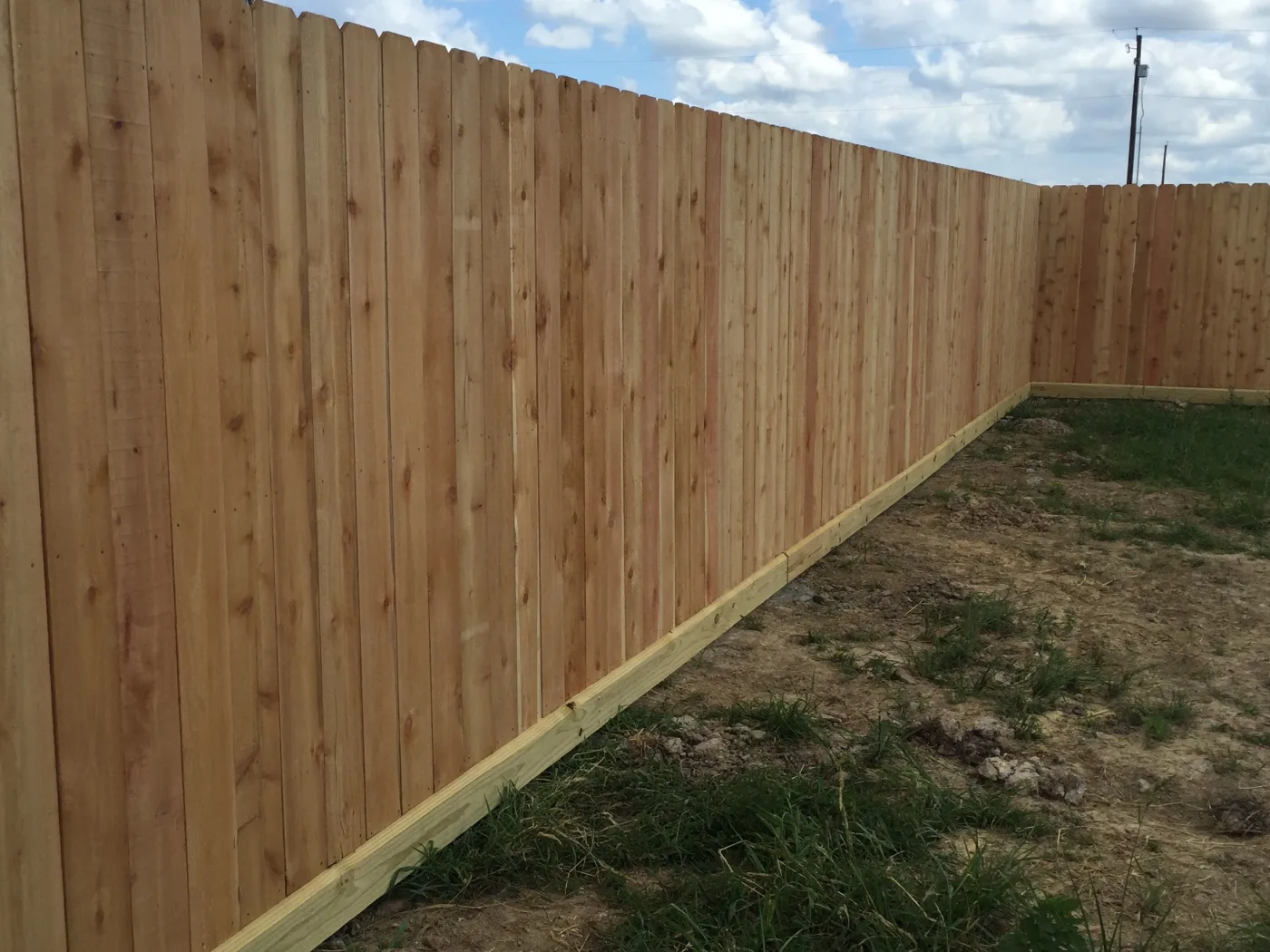
Standard privacy
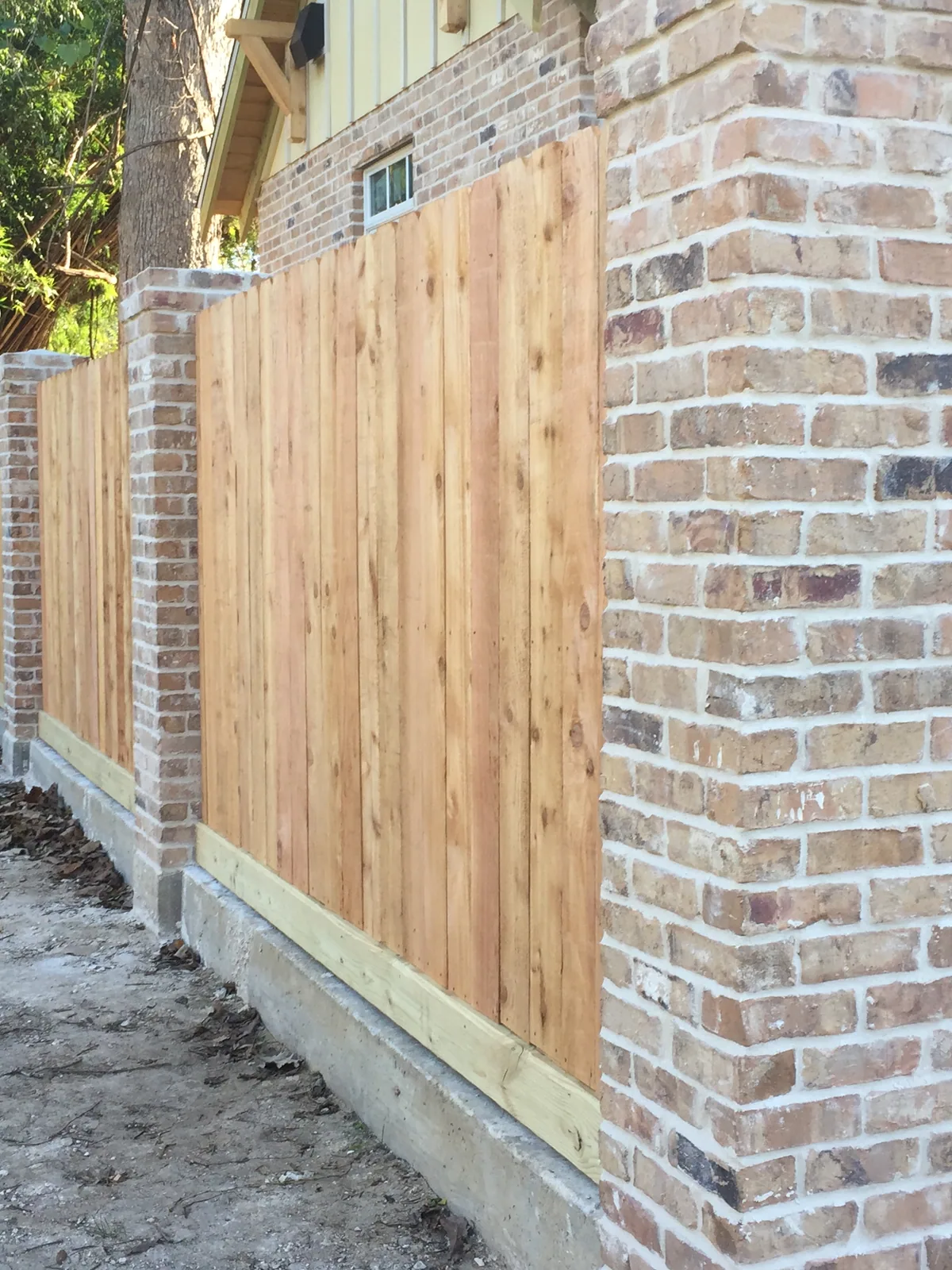
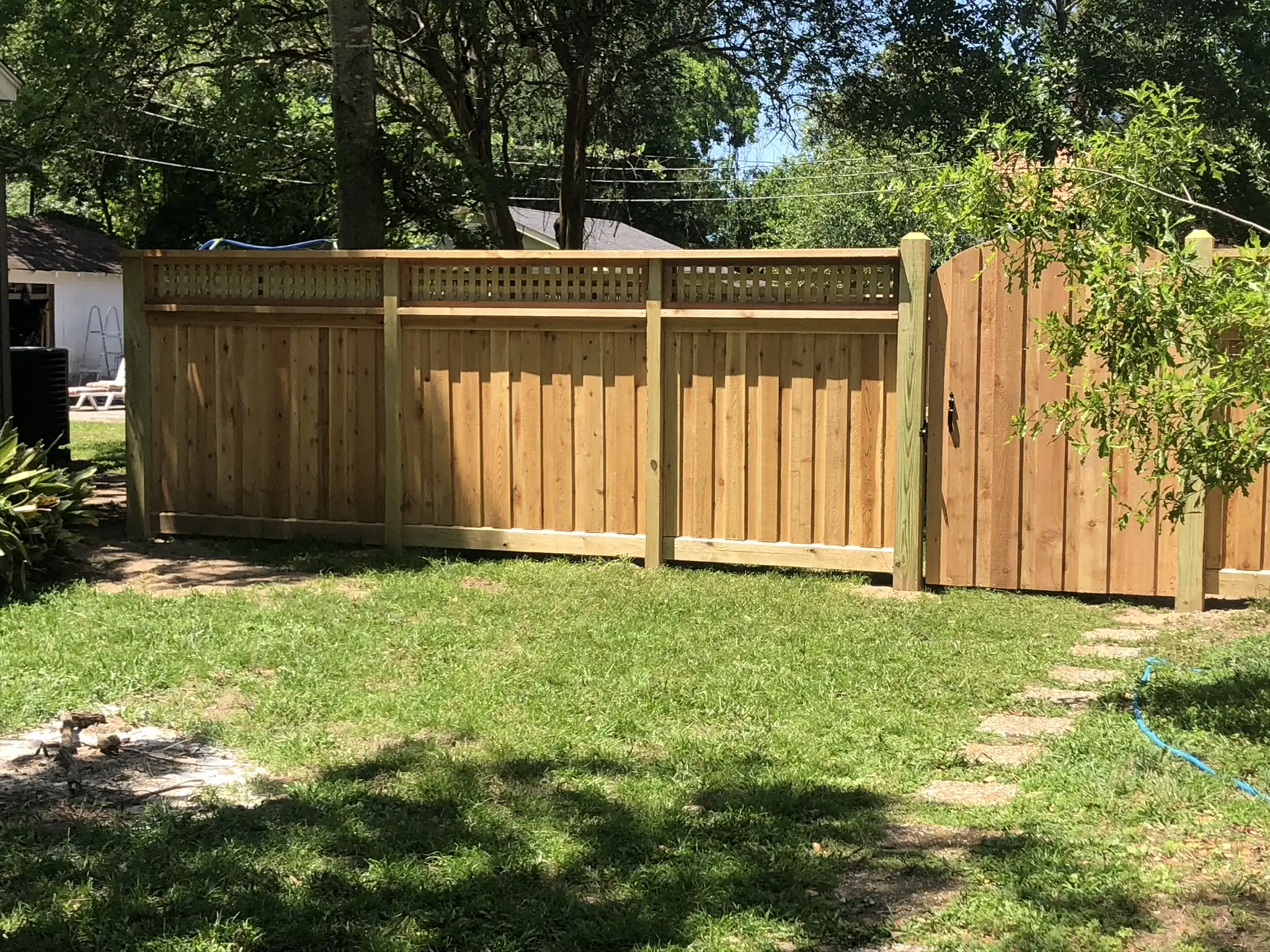
Pickets set side by side with no gaps between them, so there is nothing to see through. The classic, all-purpose choice when straightforward privacy is what you are after.
Set once and left to do its job, across Dayton and Southeast Texas, so the back of your yard belongs to you again.
Why Cedar Here
If you want the back of your yard closed in and looking like it belongs there, cedar is what most people around Dayton call us about. Its heartwood carries its own oils that resist rot and insects, and it moves less with humidity swings than pine does, which is why it is the default for privacy fence here.
You pick the style. We build all four, and which one suits your property gets settled on site, with you standing there.
Pickets set side by side with no gaps between them, so there is nothing to see through. The classic, all-purpose choice when straightforward privacy is what you are after.
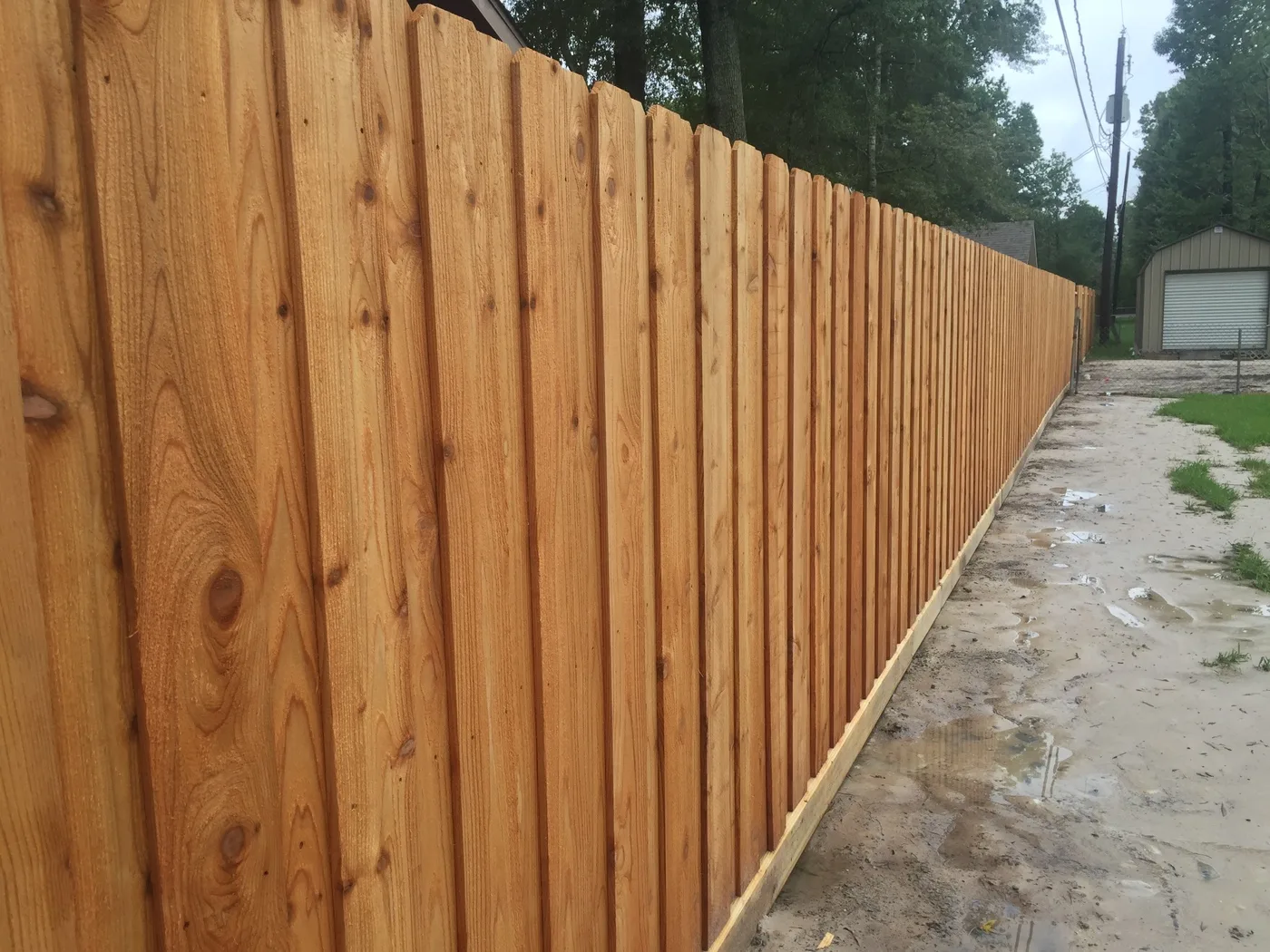
Two overlapping rows of pickets, so there is no gap anywhere along the line, even as the wood moves with the seasons. It is about as private as a wood fence gets.
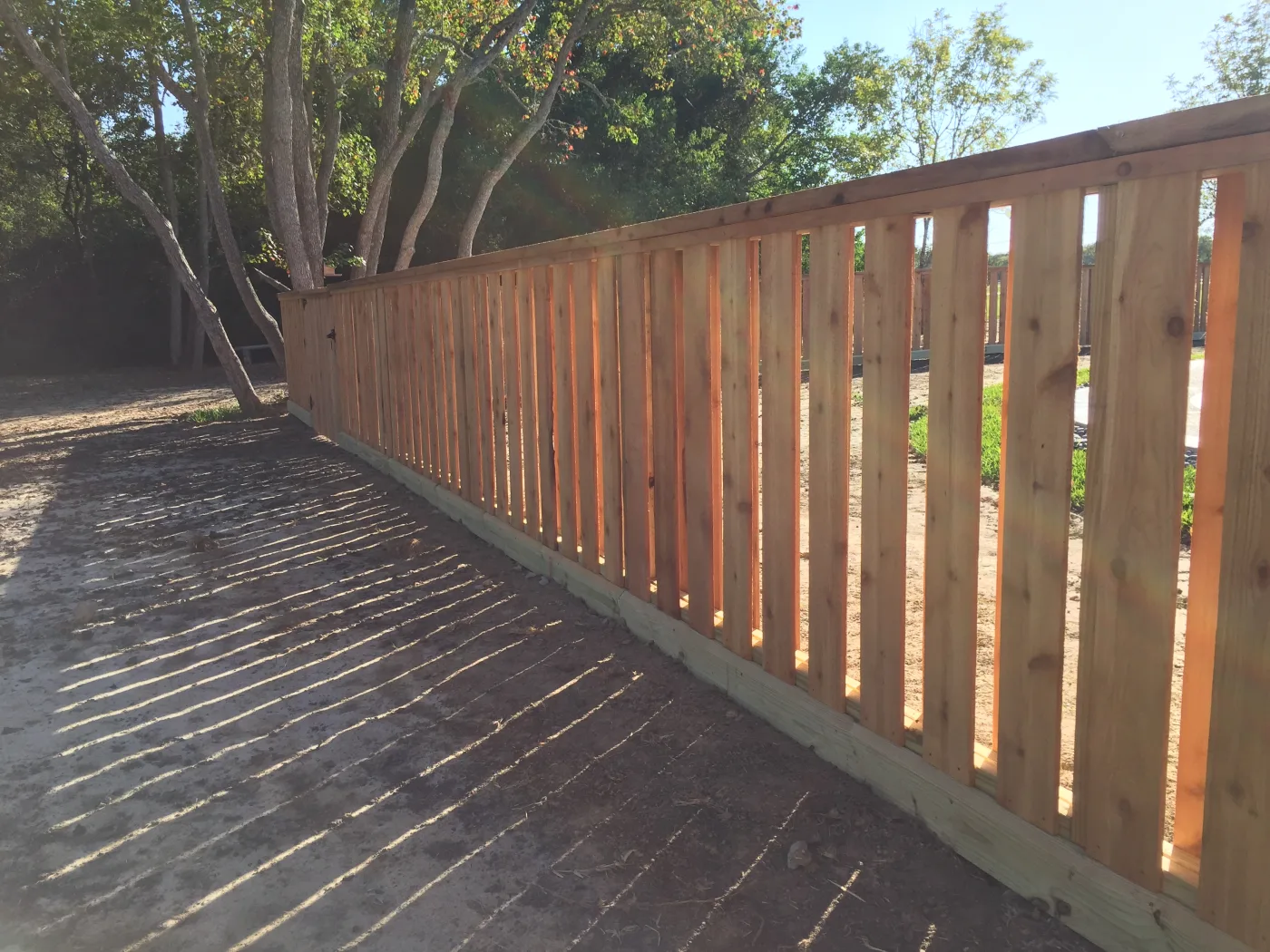
Pickets alternating front and back, so your fence reads finished from both sides and the argument about who gets the good side never happens.
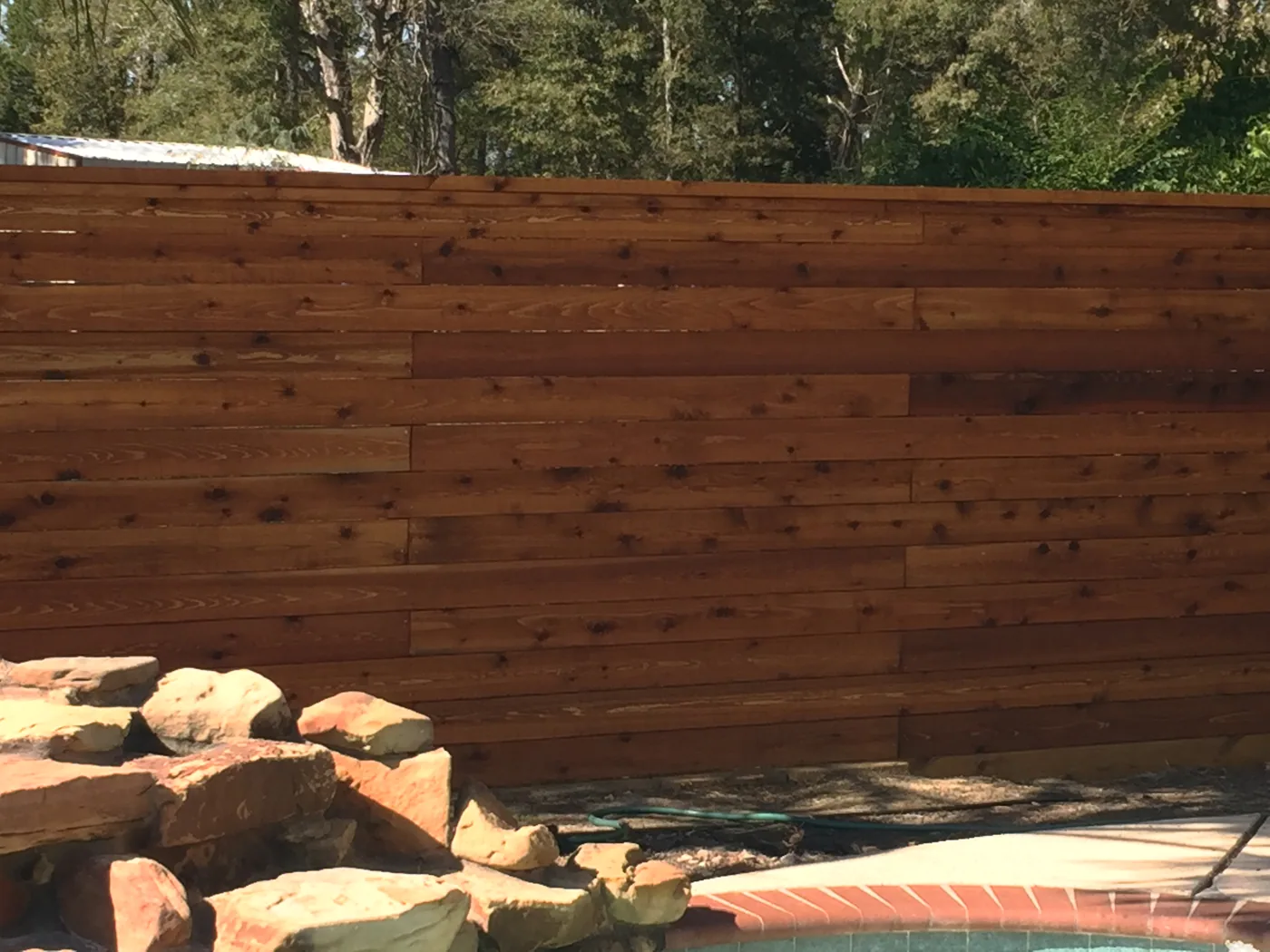
Planks run level instead of vertical, for a cleaner, more contemporary look that reads a step more upscale than a standard picket line.
Below The Pickets
A privacy fence is the one thing standing between your backyard and everybody else's view of it, and you should never have to find out later that a crew cut a corner nobody could see. Your job gets measured and quoted before a single post goes in the ground, not guessed at.
What actually goes into it:
Years From Now
No warped board, no gate that won't latch. Just a fence still doing its job years down the line, and one less thing taking up room in your head.
One thing worth knowing up front: cedar weathers to a silver grey on its own within a season or two. That is the wood doing what cedar does here, not your fence going wrong. If you want it to hold the warm color, sealing it is what does that, once the wood has had a couple of months to dry out.
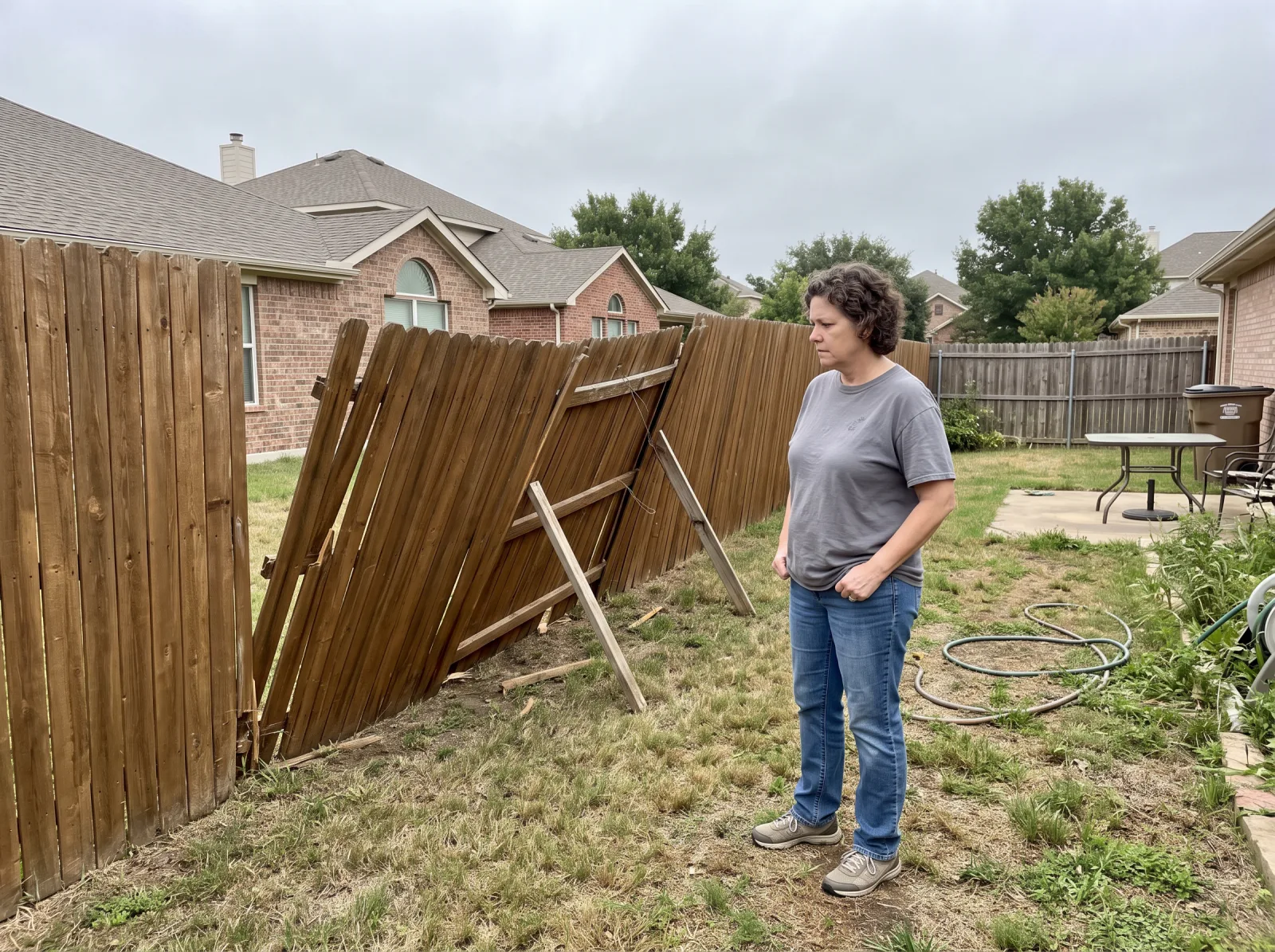
A warped board or a gate that's stopped latching doesn't always mean starting over. Show us what you're looking at and we'll tell you whether it's a repair.
The Work
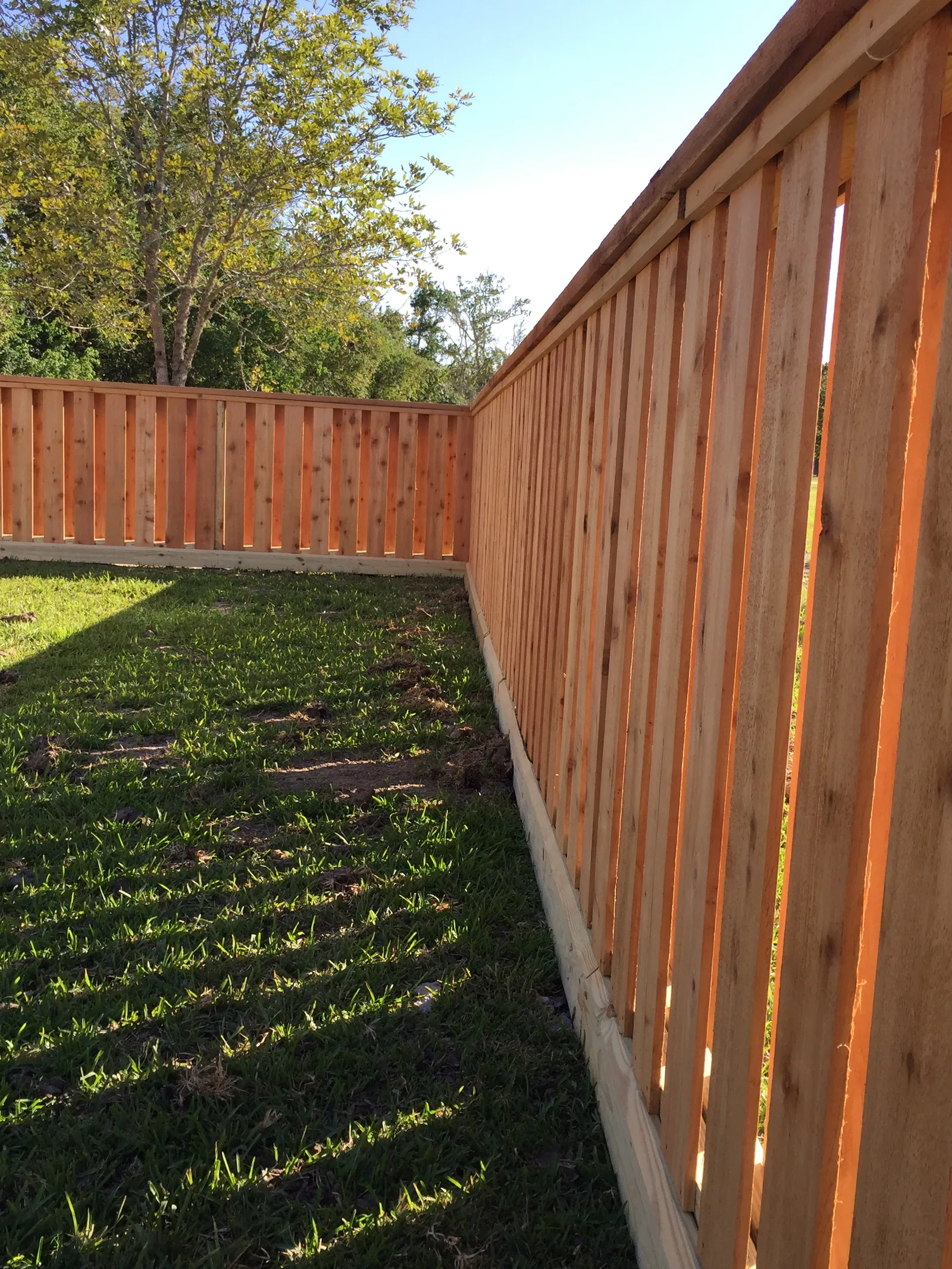
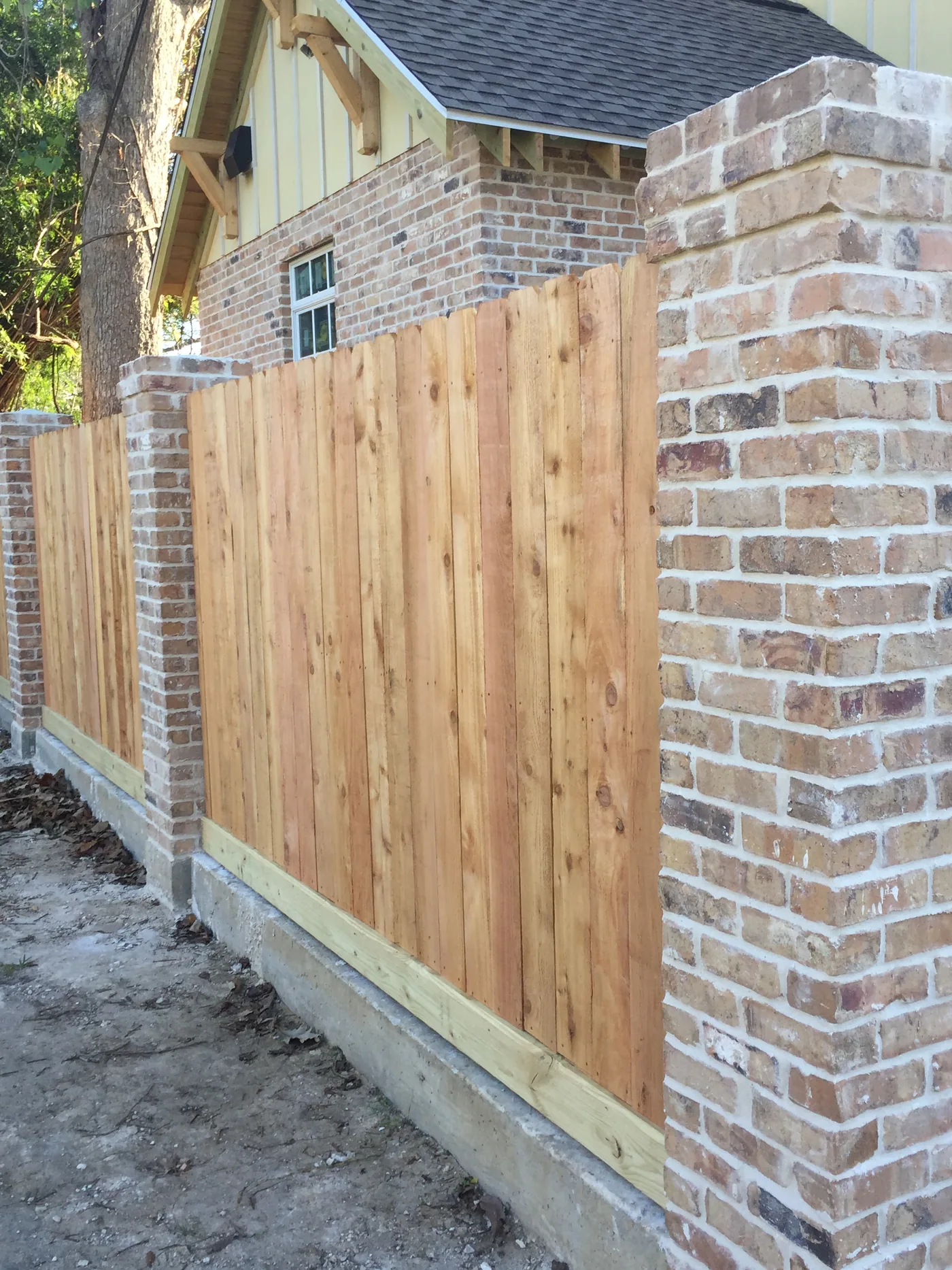
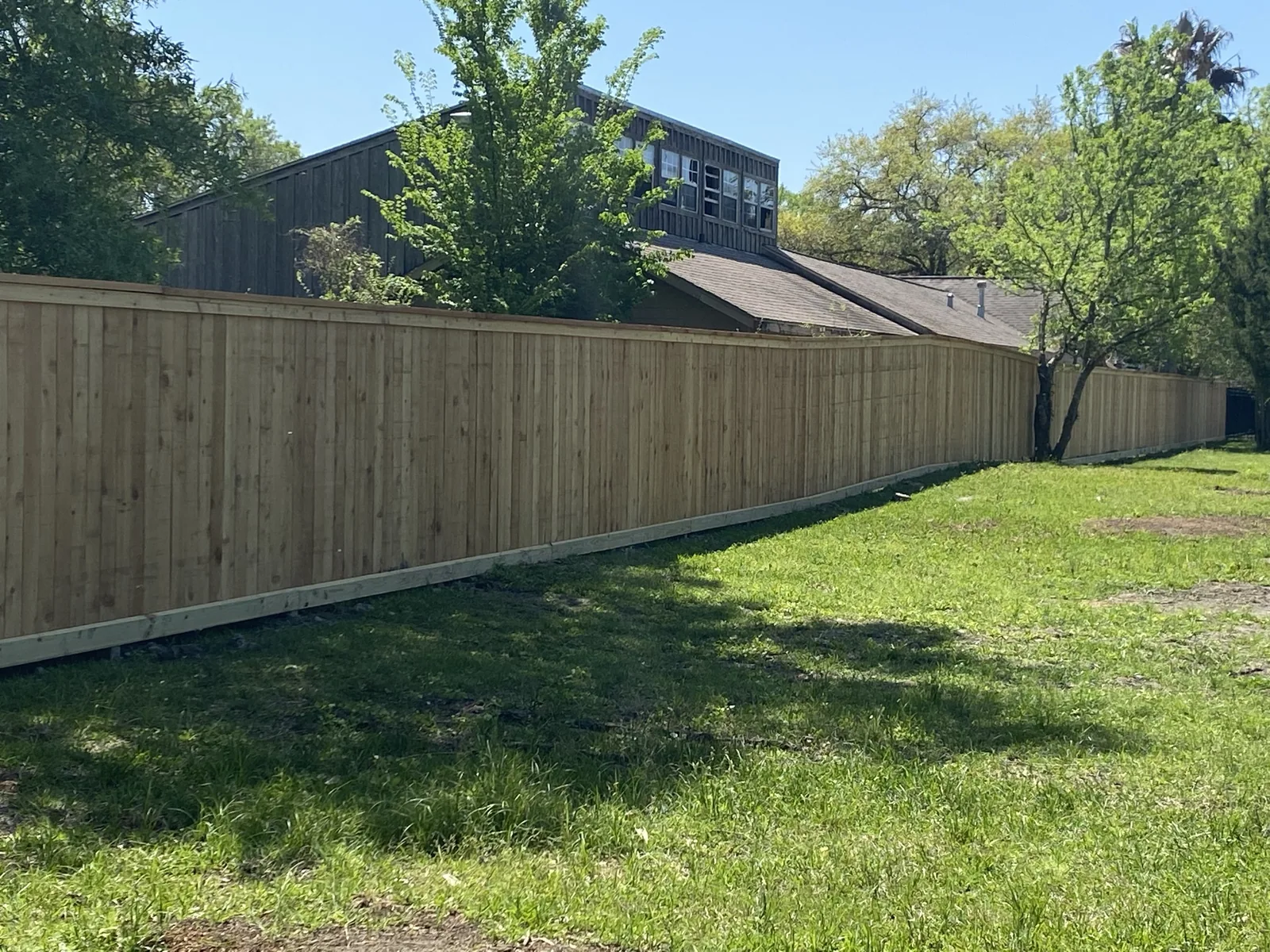
Every photo here comes from a real job in Dayton or the surrounding area, not a stock library. There are more of them waiting for you in the project gallery.
Homeowners tell it straight
What Gets People Calling
A few of the moments that get people picking up the phone and calling us.
Questions
Have one that is not on this list? The fastest answer is a phone call.
Call NowThat depends more on the posts and the install than on the pickets. Cedar set properly lasts many years in this climate. The same wood fence with posts set poorly starts leaning long before the wood gives out, which is why your posts are where the care goes.
Not for the fence's sake. Cedar weathers to a silver grey on its own and is fine left alone. If you want it to hold the warm color, it needs sealing, and the wood wants a couple of months to dry out first or the finish will not take. Keeping it that way is its own small job.
Shadow box and board on board both look finished from both sides, which spares you the usual argument about who gets the good side. If you are splitting a line fence with a neighbor, settle that between you before it goes up rather than after.
That depends on your city, your county, and whether you are in a subdivision with an HOA. Requirements are not the same across this area. We will tell you what is known about your location and where you need to confirm it yourself, and we will build to an HOA's specification and hand over whatever they need to see. Getting the approval stays between you and your HOA. Here is what else is worth doing before we arrive.
They are less of a contest than they sound. Cedar is the wood you look at, and it moves less as the humidity swings. Pine is the stronger structural material and often the one carrying the load. Which one your property needs comes down to how you will use it, and the full comparison is here.
Still working out how big a project you are looking at? Here is what changes the scope of a fence project.
Request a Quote
It starts with a few details and a call to set up a time to measure your line. Nothing gets quoted from a photo or a guess.
Would you rather talk to us? Call today: (936) 257-5171.